How We Source Newer, Low-Mileage Korean Cars Fast: Auction Flow, Cost and Lead Times
The fast, practical version from the K-Wheels team in Incheon. Speed is our edge. Here is exactly how we source newer, low-mileage Korean cars through auctions and dealer channels, what newer costs, and how fast it really moves.
Speed Is The Product
Plenty of exporters can find you a car eventually. Our entire model in Incheon is built around finding the newer, low-mileage car quickly, because for most buyers time is money tied up in a container. The Korean used market is unusually fast and transparent, with high vehicle turnover, meticulous records and a mature auction system. That infrastructure lets us act in days rather than weeks. When a buyer gives us a clear spec, year, mileage ceiling, colour and budget, we are not starting a search from scratch. We are filtering a live, deep inventory that refreshes constantly, which is what makes fast sourcing realistic rather than a marketing slogan.
How The Korean Auction Flow Works
Most of our newer stock comes through Korea's wholesale auction houses, the same channels that feed the domestic K Car and Encar retail networks. Cars arrive from leasing returns, dealer trade-ins and private consignments, each graded by an independent inspector for body, interior, mechanical condition and accident history. We read those grade sheets daily. When a unit matches a buyer's spec and grades clean, we can bid and secure it the same session. This auction-first approach is why we can promise low mileage with confidence: we are selecting individual graded cars, not buying sight-unseen from a back lot. The grading transparency is the backbone of the whole operation.
What 'Newer' Actually Costs
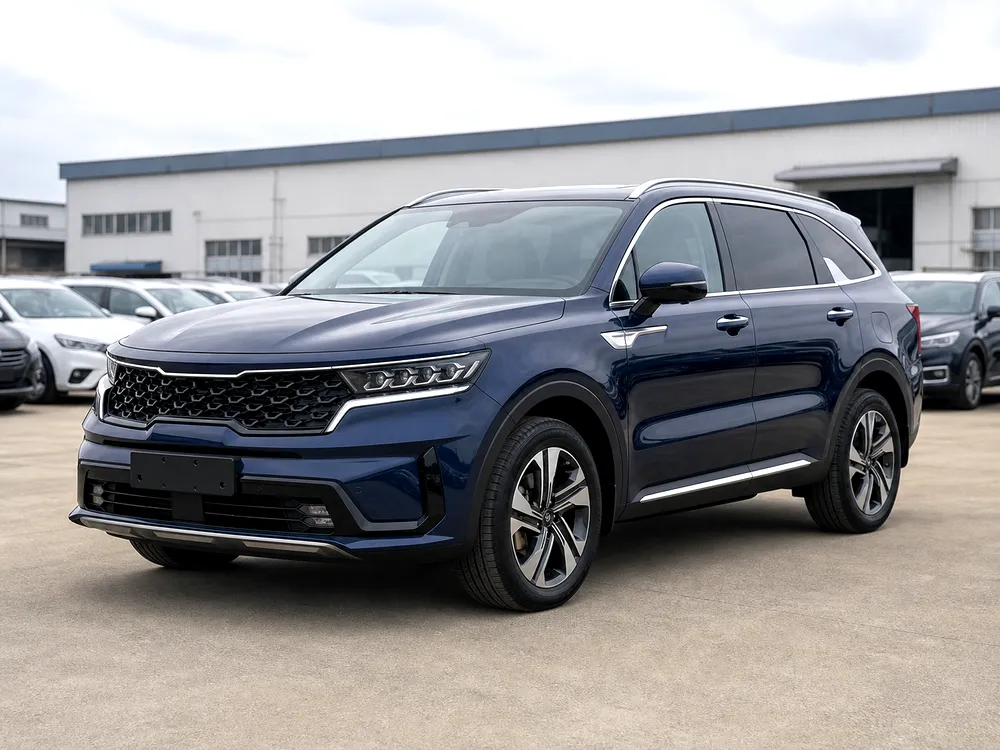
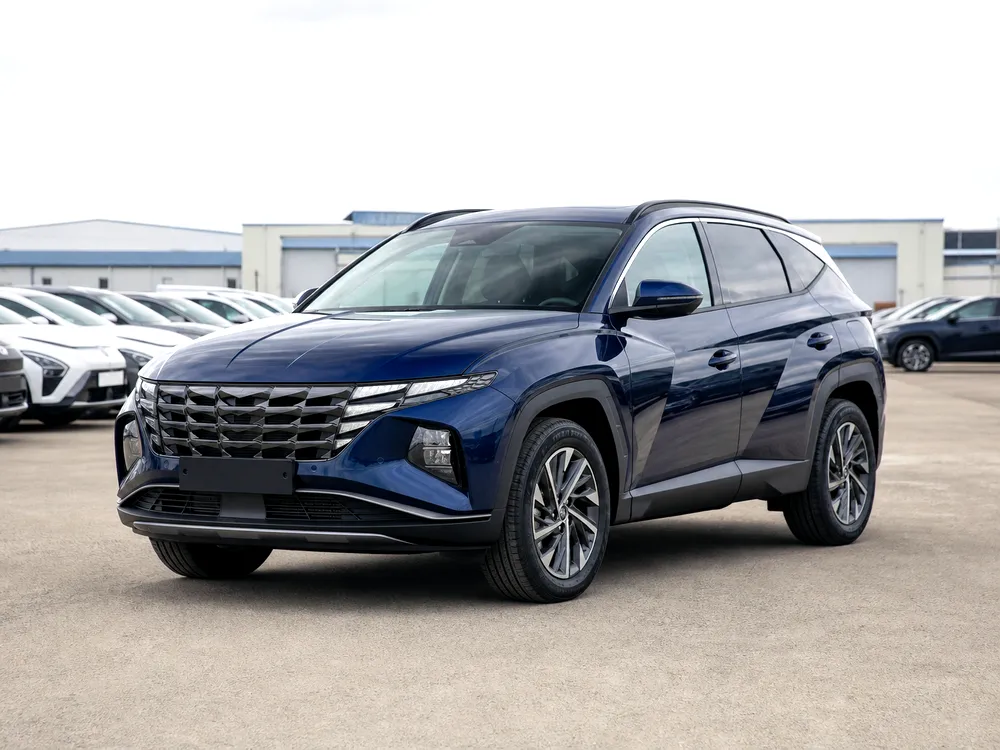
Buyers often ask why we push newer cars when older ones look cheaper on paper. The honest answer is that a two-to-four-year-old Korean car hits the value sweet spot. It has absorbed the steepest depreciation, still carries modern safety and tech, and arrives with years of useful life and resale value left. We benchmark every price to the genuine domestic market level, won converted to USD on the day, FOB Incheon with freight quoted separately. A newer Tucson or Sorento costs more upfront than a tired older example, but the lower repair risk and stronger resale almost always make it the better landed value. We will show you both and let the numbers decide.
Realistic Lead Times, Start To Finish
Here is the honest timeline. Identifying and securing a matching car at auction typically takes a few days to about two weeks, depending on how specific the spec is, very particular colour and trim combinations take longer. Once secured, payment, export paperwork, de-registration and pre-shipment inspection usually run another one to two weeks. Then ocean transit time is whatever your route demands, which is entirely separate from our sourcing speed. So from order to vessel, the controllable part, the part we own, is often two to four weeks. We never quote shipping transit as if we control it, because we do not, and pretending otherwise just erodes trust.
What Speeds It Up, And What Slows It Down
The fastest orders share a few traits: a flexible spec, a realistic mileage ceiling, prompt payment and a destination with straightforward import rules. The slowest orders usually involve a hunt for one exact rare colour, an unrealistically low price target, or a destination with strict age, emissions or steering-side restrictions we must screen for first. We are upfront about destination rules early, because there is no point sourcing a perfect car that cannot legally land. Giving us a clear priority, is speed, price or exact spec the thing that matters most, lets us optimise correctly. When buyers trust us to choose within sensible parameters, we move fastest.
Why Incheon Makes This Possible
Our base in Incheon is not incidental to the speed. The port, the auction houses and the inspection and shipping infrastructure are all concentrated here, which compresses the time between winning a car and getting it dockside. We can attend auctions, complete inspections and stage vehicles for loading without long internal transport delays. That geographic advantage is a real part of why we can promise fast sourcing on newer stock. Combined with the depth of Korea's used market and the transparency of its grading system, it lets us do something genuinely difficult elsewhere: put a clean, newer, low-mileage car on the water quickly, with honest pricing the buyer can verify against the home market.
Ready to start? Browse current stock or message us on WhatsApp with your target model and destination port.